Avaliações Boutique Hotel Guesthouse-Moncarapacho Oost Algarve, Portugal
Tivemos umas férias maravilhosas na Guesthouse Moncarapacho, no leste do Algarve, Portugal.
O estúdio onde ficámos estava lindamente decorado e equipado com todas as comodidades. A piscina era deliciosa e gostámos muito da área circundante. A costa e as ilhas ao largo são interessantes de explorar, tal como as cidades e vilas do leste do Algarve.
O tempo estava muito agradável no final de setembro, entre 25 e 30 graus. Em suma, divertimo-nos imenso! O Maarten e a Celine são extremamente acolhedores, tudo estava impecável.
Espero que estejam todos bem.
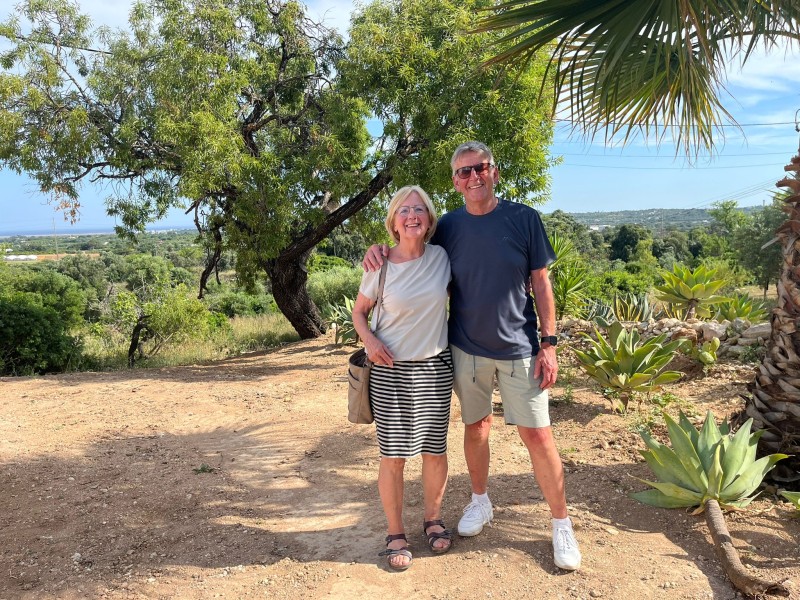
Cumprimentos cordiais, Saskia e Frank
Caro Maarten e Celine,
Estamos bem, obrigado. Após o regresso, voltámos ao trabalho e, antes que se dê conta, já estamos novamente no ritmo das tarefas diárias.
Tivemos uma estadia maravilhosa na Guesthouse Moncarapacho. A vila está bem localizada e a própria casa de hóspedes é espaçosa, o que a torna uma excelente base para explorar a região. O apartamento é confortável e completamente equipado.
Há muitas atividades na área circundante. Gostámos particularmente das praias da Ria Formosa – como Santa Luzia e Cacela Velha. A trilha das Sete Vales Suspensos também é um passeio magnífico, e o miradouro do Cerro da Cabeça vale a pena visitar. A visita à quinta de azeite Monte Rosa foi uma atividade surpreendentemente divertida.
Há uma grande variedade de restaurantes: desde jantares luxuosos no Bosso em Tavira até às simples, mas deliciosas, frangos piri-piri do Frango da Ria, perto de Olhão. A recepção na casa de hóspedes foi extremamente simpática e acolhedora, e o pacote de boas-vindas no apartamento foi uma agradável surpresa que nos fez sentir imediatamente bem-vindos.
No geral, adorámos a nossa estadia na Guesthouse Moncarapacho – um local encantador com uma atmosfera acolhedora e muitas possibilidades na área circundante. Recomendamos vivamente.
"Tivemos uma estadia incrível na vossa casa de hóspedes. A recepção foi excelente e vocês são anfitriões muito acolhedores e simpáticos. Adorámos as nossas conversas agradáveis. O alojamento estava impecavelmente limpo, quase novo e tudo funcionava como devia. O único aspeto que talvez pudesse ser melhorado seria a adição de alguns ganchos para toalhas.
A atenção especial que tiveram para o nosso filho foi muito atenciosa e ele adorou. Além disso, o pequeno-almoço era delicioso e extremamente variado!
A área circundante é muito bonita. As praias são facilmente acessíveis e a viagem de ferry para as ilhas próximas é muito conveniente e altamente recomendável.
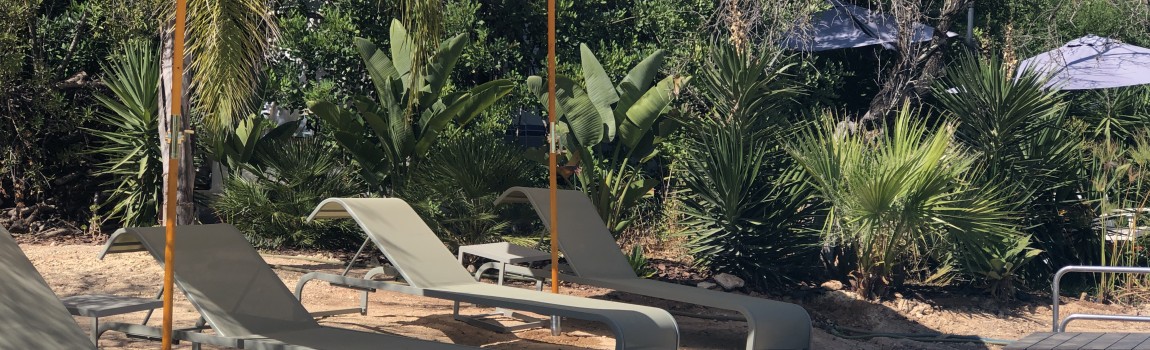
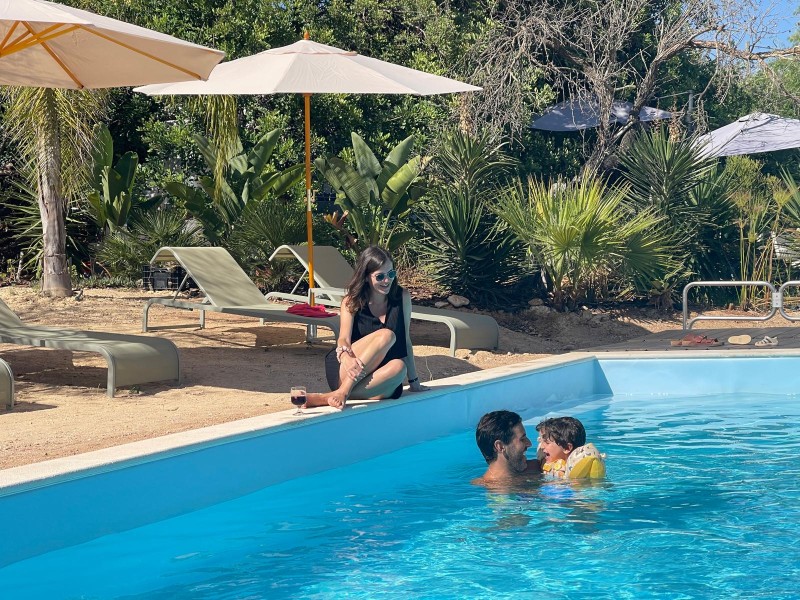
A piscina também era ótima, grande e com água salgada, muito mais agradável do que uma piscina com cloro. O jardim ainda estava em construção nesta nova fase, mas tenho a certeza que ficará lindo! Consideramos definitivamente repetir esta estadia."
Cumprimentos cordiais, Lai Jin e Max
Olá Celina e Maarten,
Gostaríamos de deixar o nosso testemunho. Passámos um momento fantástico na Guesthouse Moncarapacho. A localização é perfeita, podendo facilmente visitar as agradáveis vilas costeiras de Tavira, Fuseta ou Olhão. Além disso, pode-se explorar o interior, caminhar no parque Fonte Férrea e visitar a Ria Formosa, que é altamente recomendável.
A casa de hóspedes em si e o serviço são excelentes. É espaçosa, acolhedora, limpa e tem uma bela varanda com vista para o mar; poderíamos facilmente acostumar-nos!
Fomos surpreendidos com algumas tapas na primeira noite e o pequeno-almoço no primeiro dia foi realmente luxuoso! A Celina e o Maarten tiveram ótimas dicas sobre a área e foram muito simpáticos. Muito obrigado pelo ótimo período!
Cumprimentos, Lienke & Wouter
P.S. O arroz de marisco também estava fantástico (mais uma vez, obrigado ao Maarten por toda a culinária)
Adorámos a nossa estadia no vosso belo hotel boutique. A decoração é realmente linda e pensaram em tudo. Com a vista distante, as aldeias agradáveis e as praias aconchegantes, foi umas férias maravilhosas!
Um local tranquilo na natureza com aldeias simpáticas e o oceano nas proximidades. Uma casa encantadora com todo o conforto e muita privacidade. E um anfitrião amigável por perto caso seja necessário algo. Uma piscina e um jardim onde é ótimo relaxar, com vista para o oceano!
Caro Maarten e Celina,
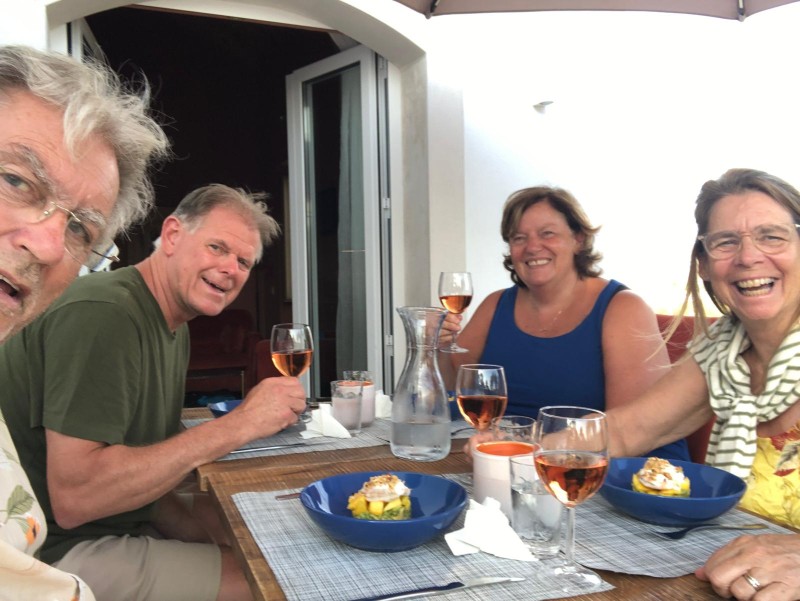
Como já confirmado oralmente, adorámos a estadia confortável e a hospitalidade especial. Tanto na chegada como na partida, apreciámos muito o vinho e os outros presentes. E, respeitando o vosso projeto pessoal e aventura única que embarcaram com a construção nova desta acomodação.
E, tal como no conhecido programa de televisão B&B, há algumas sugestões. Sim, certamente. A ausência de ladridos de cães foi um ponto positivo e digno de menção. E definitivamente não há cães a ladrar, o que é comum em Portugal.
Pontos a considerar:
1) O cheiro de esgoto no quarto de banho é uma questão a resolver.
2) Os tapetes das portas estão muito altos; talvez seja melhor cortar o chão e colocar um tapete de entrada personalizado.
3) Faltam as rosáceas nas torneiras do quarto de banho. Talvez possam ser feitas em mármore, se as originais não servirem.
4) Ao abrir a gaveta superior do talhereiro, muitas vezes tocávamos no painel de iluminação, fazendo-o soltar-se. Resolveu-se apertando os parafusos novamente.
Nas próximas semanas, refletiremos sobre o próximo ano e perguntaremos sobre a disponibilidade.
Cumprimentos, Peter e Liedeweijde
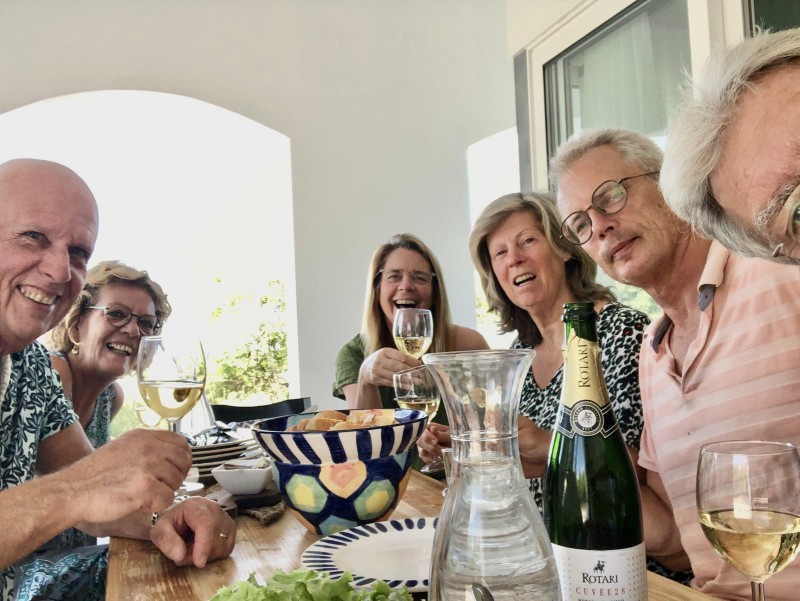
Em junho de 2025, tivemos o prazer de ser os primeiros hóspedes na nova casa de hóspedes Casa Florine.
O Maarten e a Celina compraram um belo terreno em Moncarapacho, onde construíram uma linda casa branca com três casas para alugar.
Ainda faltavam alguns detalhes, mas tenho a certeza que ficará tudo perfeito.
Explorámos bem o leste do Algarve, de Faro a Tavira. Na área circundante, fizemos belas caminhadas entre árvores de fruto e oliveiras e subimos rochas.
A área natural da Ria Formosa, que se estende por cerca de 60 km ao longo da costa, é magnífica. Ao caminhar por esta área a partir de Fuseta, a agradável vila costeira próxima, a 6 km de distância, vêem-se milhares de pequenos caranguejos.
Fuseta tem uma praia agradável. Pode-se comer peixe delicioso na avenida e, no centro, há restaurantes encantadores. Comemos duas vezes no restaurante vegetariano Green Spirit e uma vez no restaurante de tapas do Nik.
Alugámos bicicletas em Moncarapacho, com um homem simpático que já conhecia a Celina.
Uma vez, pedalámos até Tavira pela rota de bicicleta EVO 1, principalmente através da Ria Formosa. No início do passeio, vimos lindas flamingos e aves. Tavira é uma vila encantadora com lojas, restaurantes e um castelo com um belo jardim onde se pode entrar livremente.
Na segunda vez, fomos até Faro pela rota de bicicleta através da Ria Formosa, mas esta termina num determinado ponto, pelo que é necessário encontrar uma rota alternativa.
O que achei particularmente interessante foi a presença de ilhas ao largo da costa, parte da Ria Formosa, onde se pode ir de ferry a preços acessíveis ou fazer um cruzeiro.
Apanámos o ferry de Olhão para Ohla da Culatra. Caminhamos pelo agradável vilarejo de pescadores com restaurantes até à praia, através de uma natureza deslumbrante. Ao longo da praia, fomos até Ohla do Farol, que fica a 45 minutos a pé. Em Farol, comemos algo e passámos algumas horas na praia antes de voltarmos para Olhão de ferry.
Olhão também é uma vila encantadora com ruas estreitas e casas portuguesas tradicionais. Na avenida, há um grande mercado de peixe, frutas e legumes coberto.
Também apanhamos o ferry de Fuseta para Ohla da Fuseta e caminhamos ao longo da praia até Ohla da Armona, uma vila alongada. Comemos e relaxámos na praia e depois voltámos a pé. No total, foram cerca de 16 km.
Pode-se caminhar até à Praia do Barril, que fica a cerca de 9 km da casa de hóspedes, ou apanhar um pequeno comboio até à praia do Atlântico. Depois, comemos lulas em Santa Luzia.
Dizem que as ilhas Ohla da Tavira e Ohla de Faro também são bonitas.
Às sábados, há um grande mercado de peixe, frutas e legumes coberto e ao ar livre em Loulé, uma vila encantadora no interior.
Na nossa viagem de regresso, passámos por pequenas aldeias portuguesas e comemos num restaurante onde a maioria dos clientes eram locais. Em Moncarapacho, há restaurantes e praças agradáveis.
Fizemos um tour numa adega, a Quinta da Tor, onde também provámos vinhos deliciosos com petiscos e onde havia uma bela piscina.
Como a piscina do Maarten e da Celina ainda não estava pronta em junho de 2025 e o tempo estava muito quente, fomos três vezes a um restaurante com piscina em Fuseta, o Ria Panoramiqua, que era delicioso e tinha uma vista deslumbrante sobre a Ria Formosa e o Atlântico.
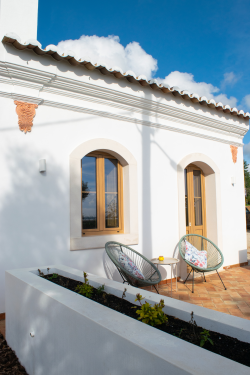
Da varanda da Casa Florine, também se avista o Atlântico, o que é fantástico. O estúdio está decorado com bom gosto e as comodidades básicas estavam disponíveis para nós, incluindo uma garrafa de vinho 🥂. A nossa cama era trocada regularmente 😀.
É útil ter um carro, esperamos voltar quando a piscina e o jardim estiverem totalmente prontos.
Com carinho, Remco & Gertrude
Este é o nosso próprio site com o melhor preço. Clique aqui para nossas acomodações ou nos pergunte sua pergunta. Ou continue lendo com Praia do Barril , Visite a cidade espanhola de Sevilha ou vá para a visão geral de todos os artigos.