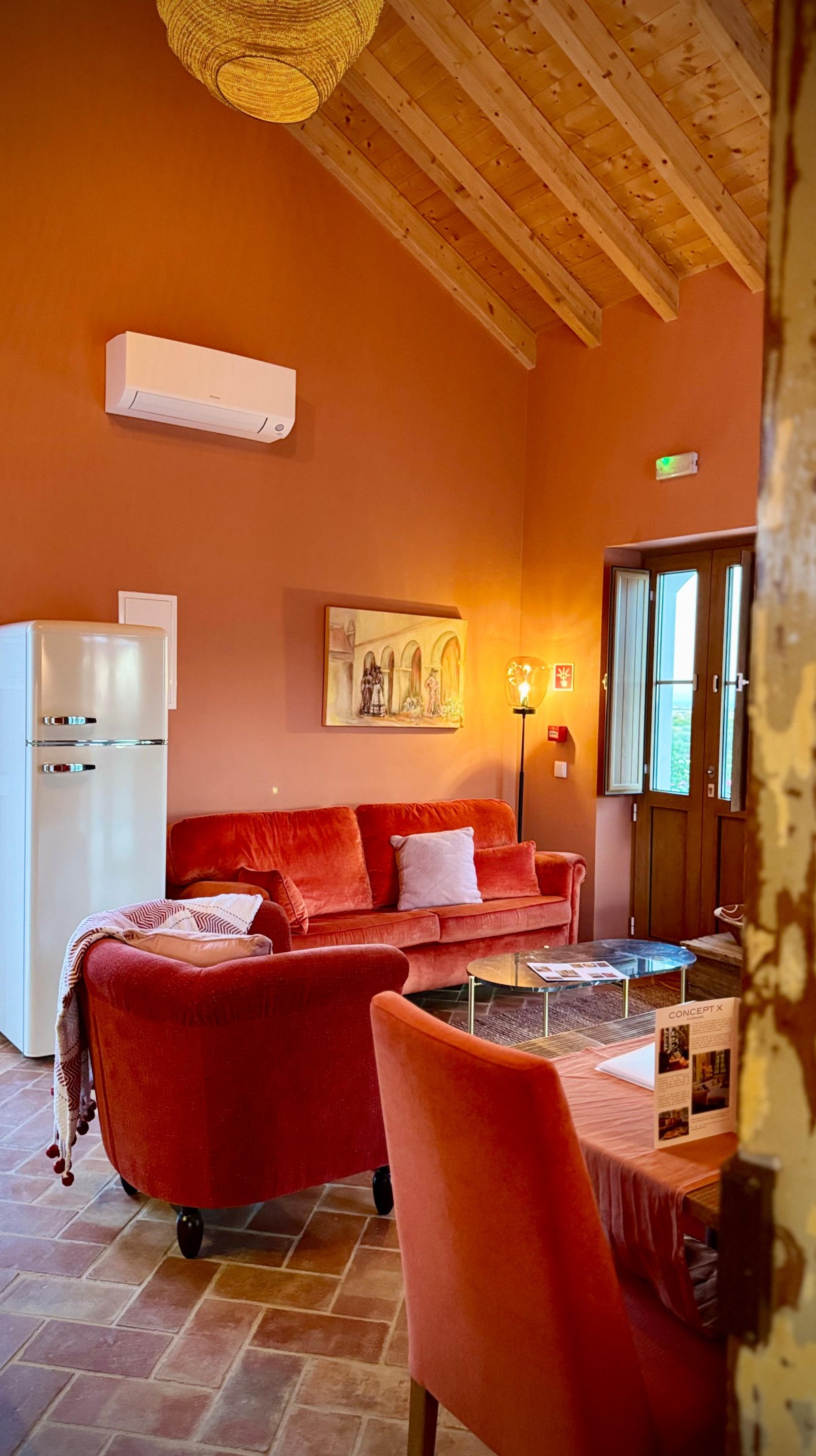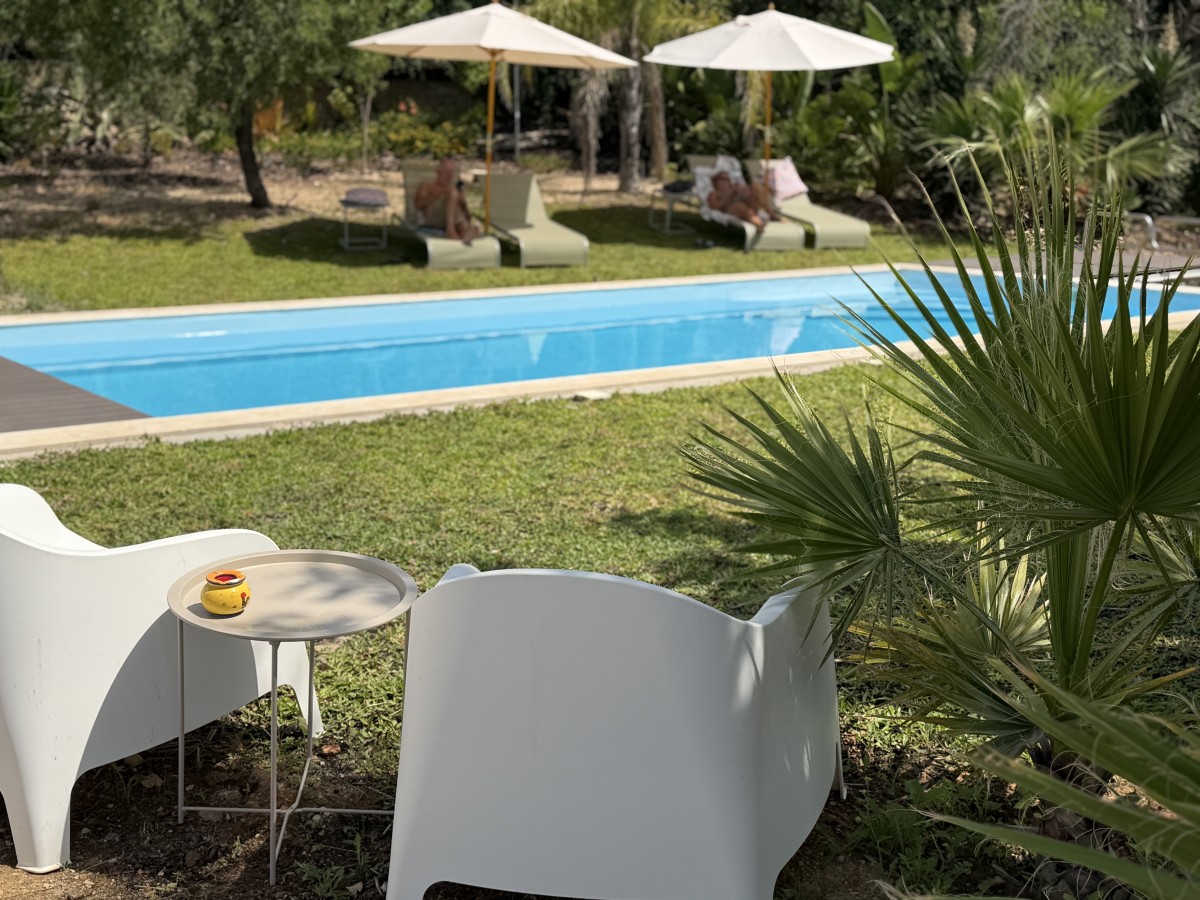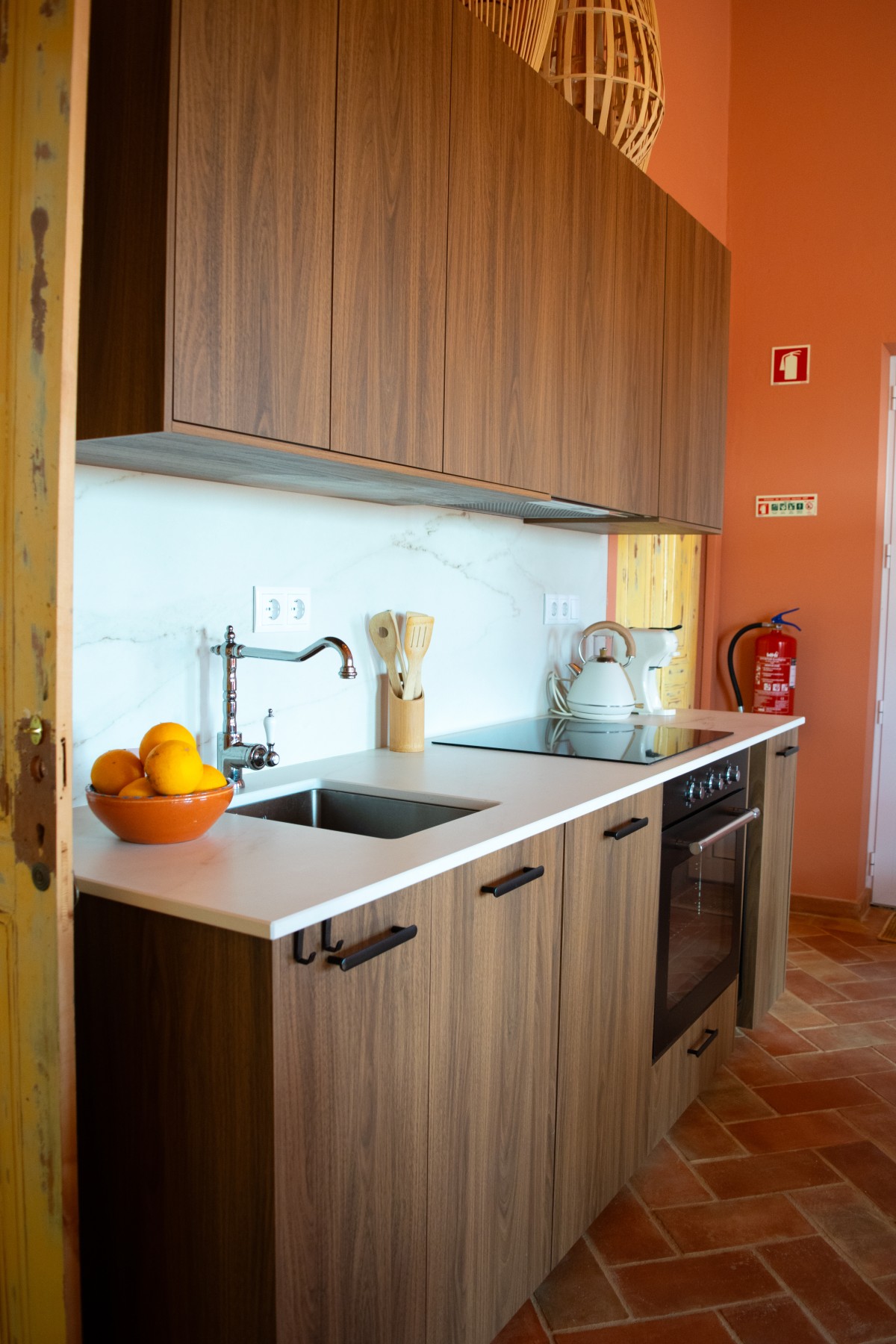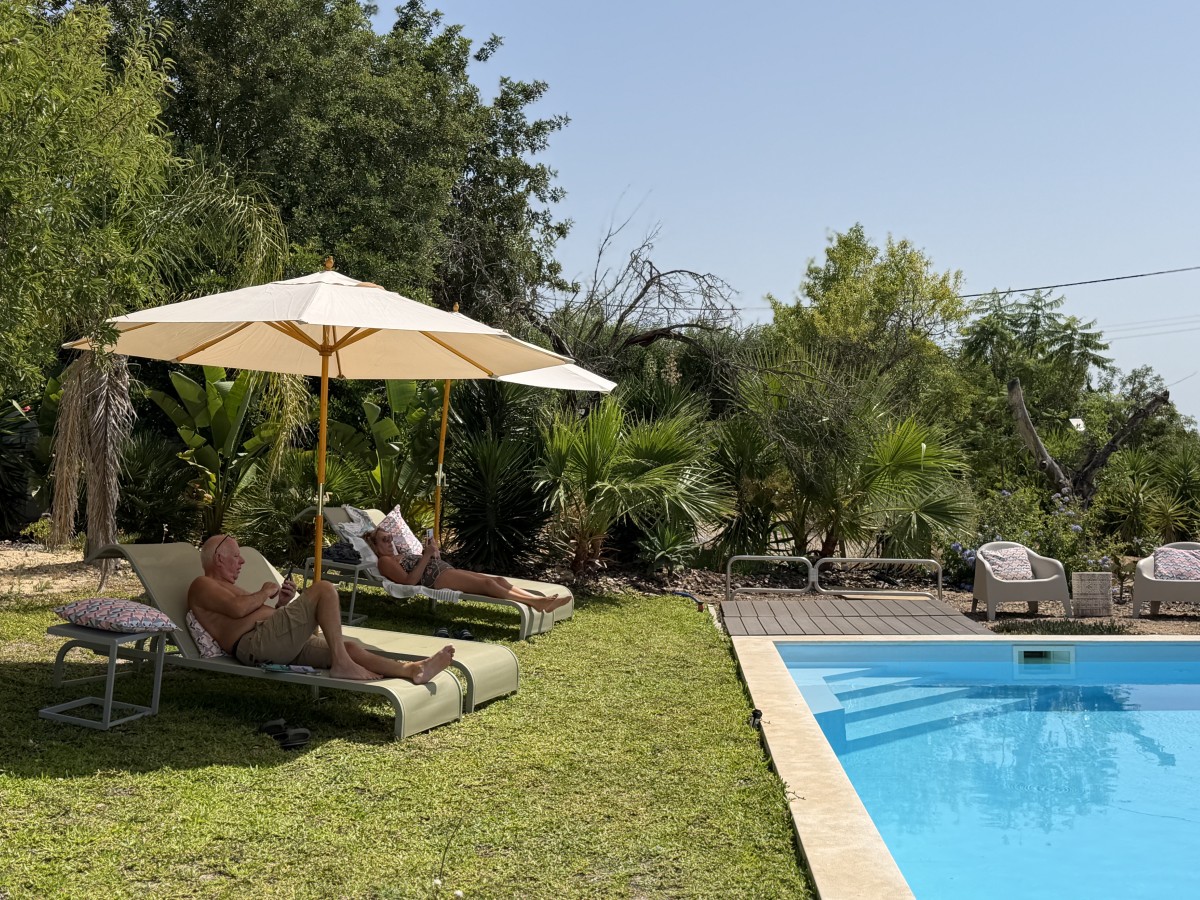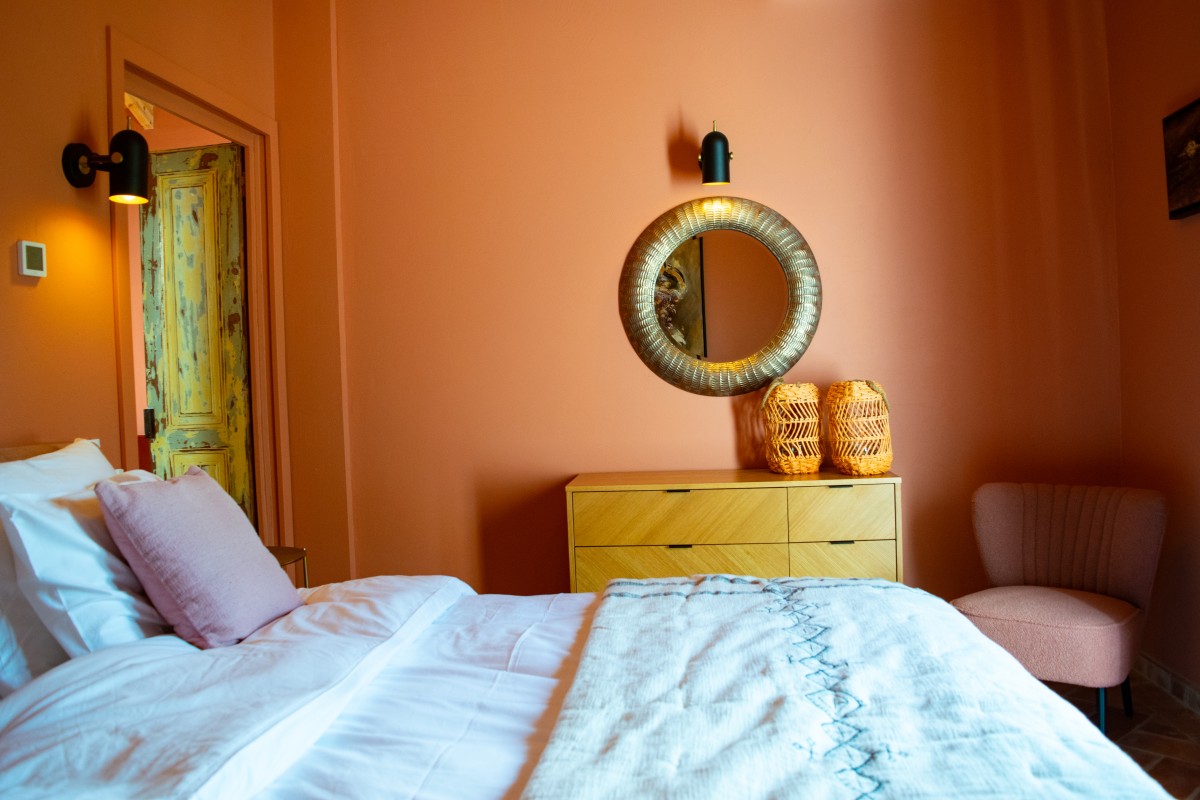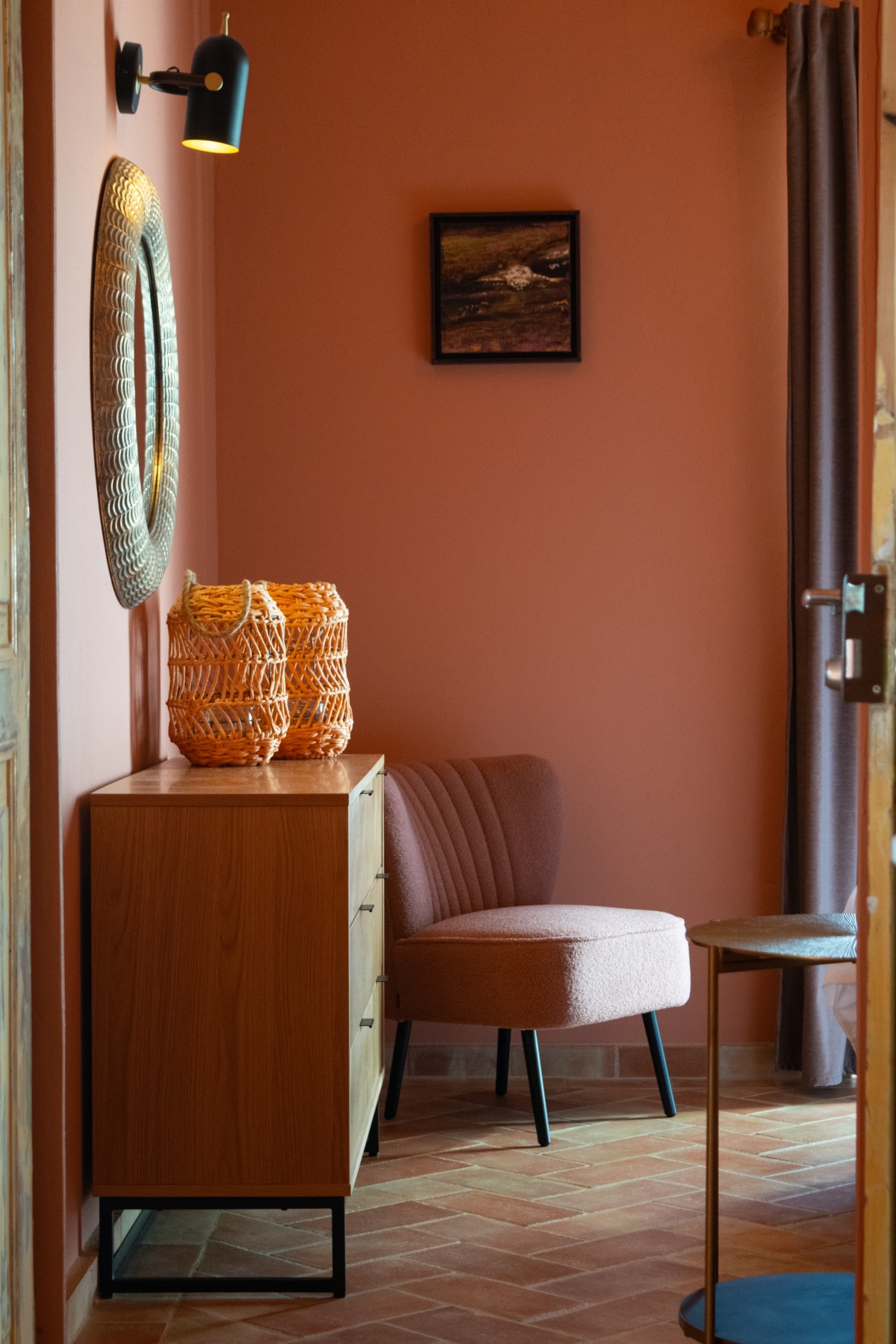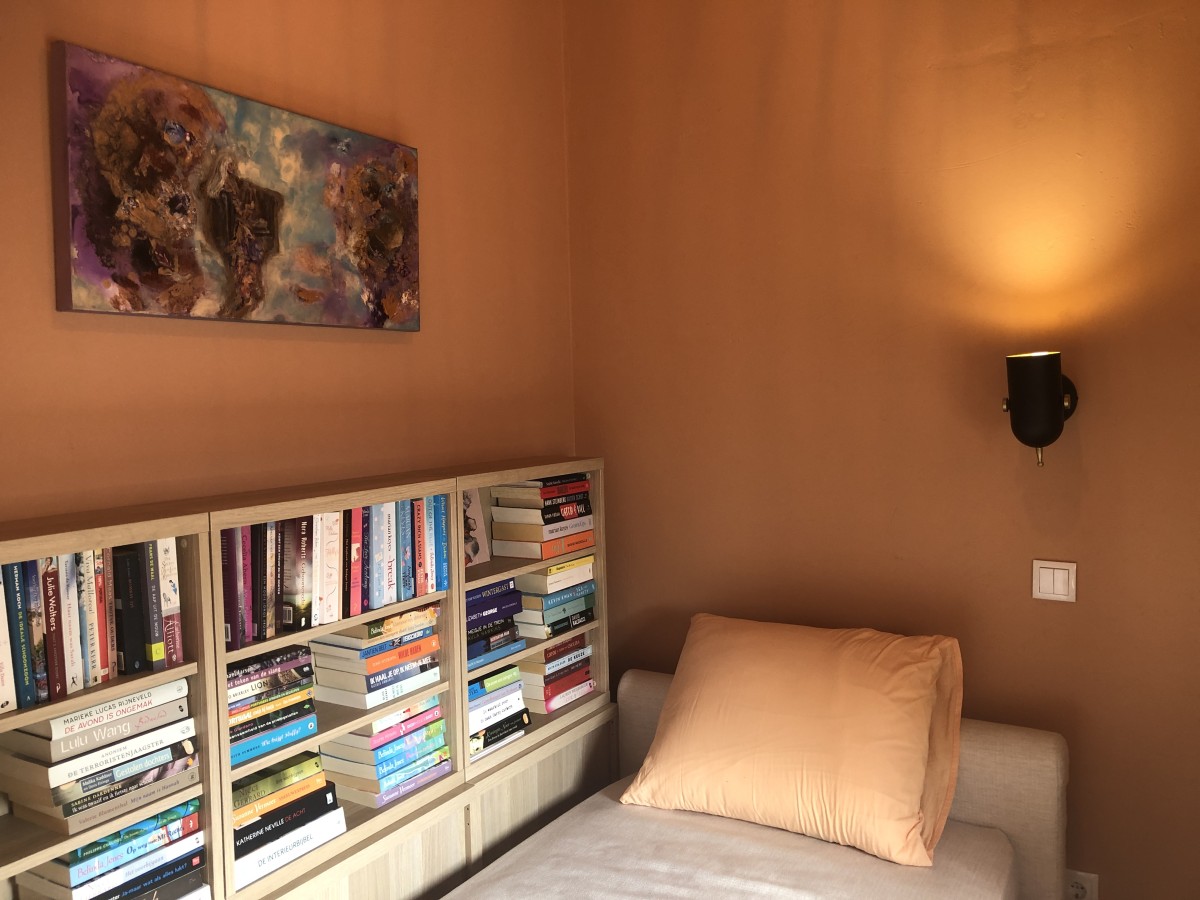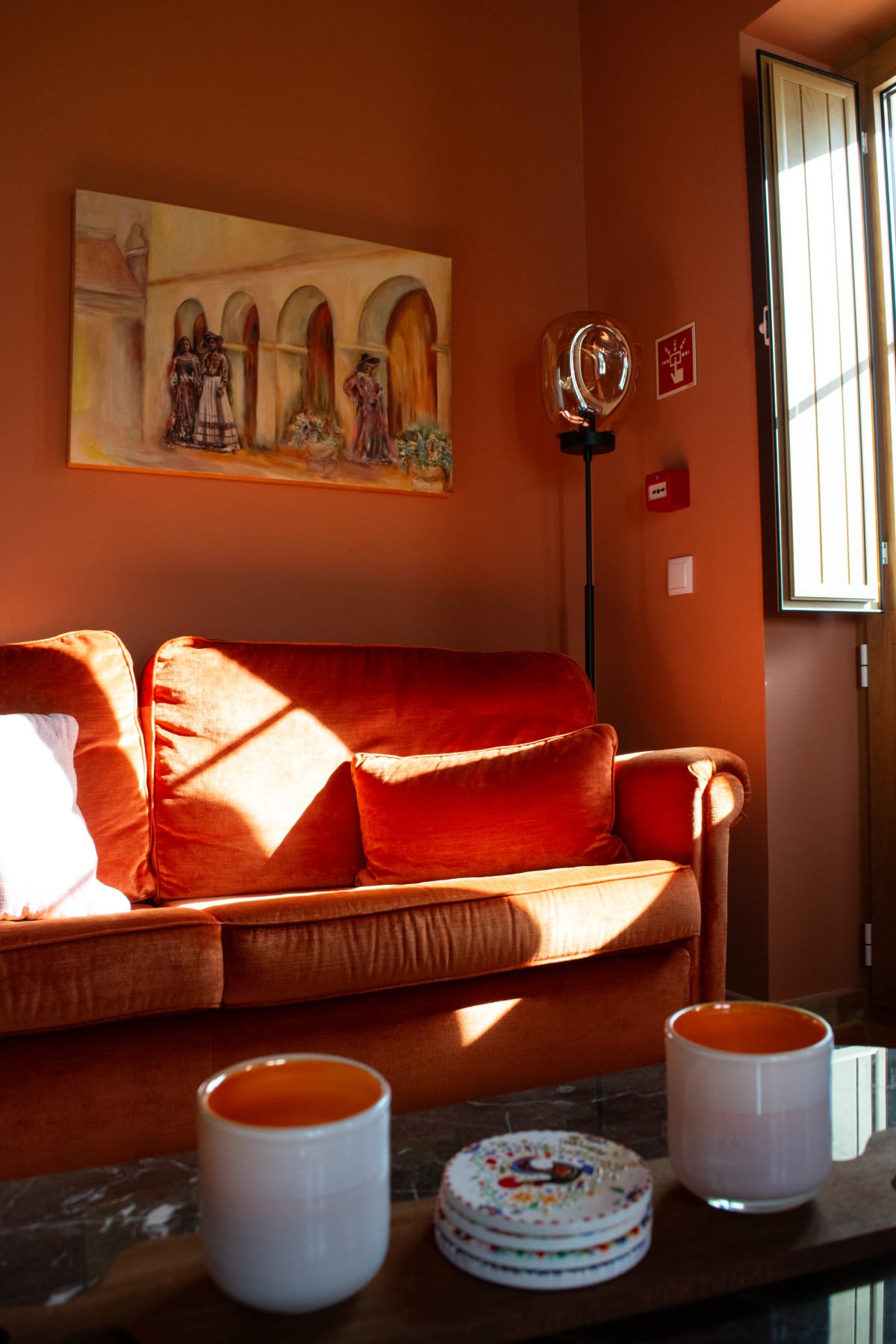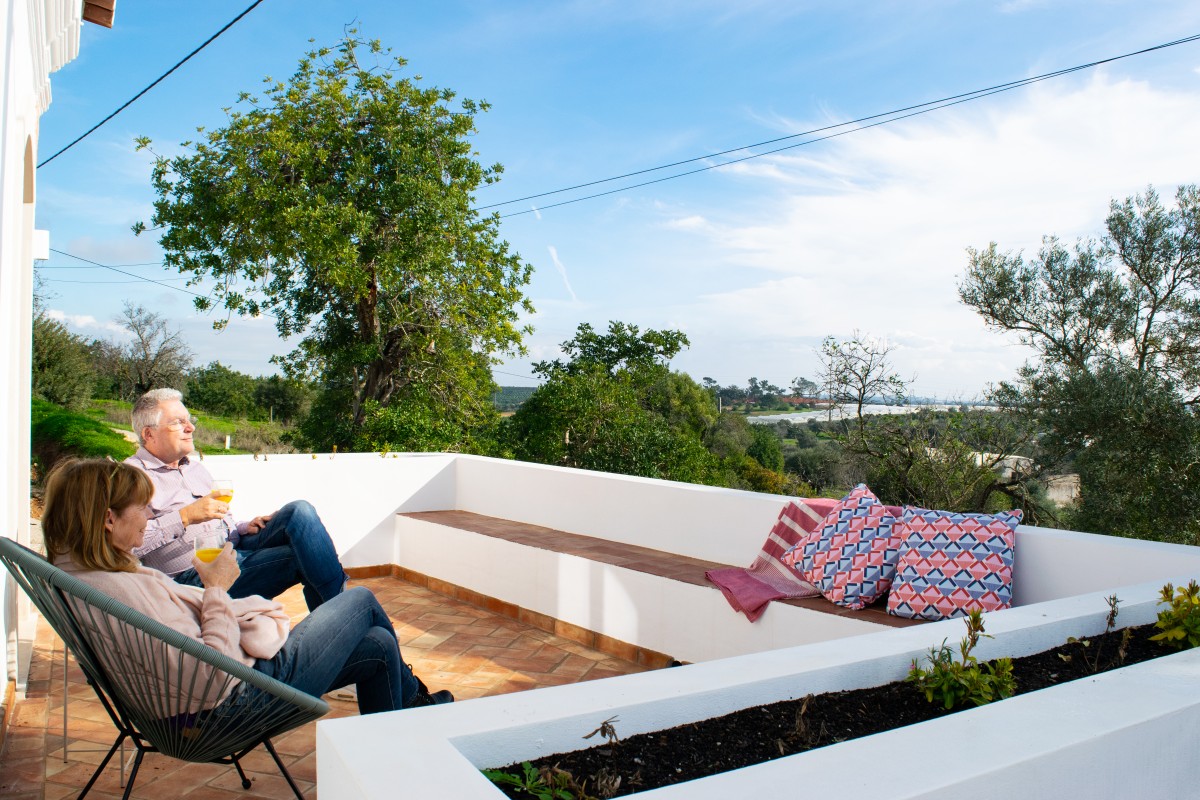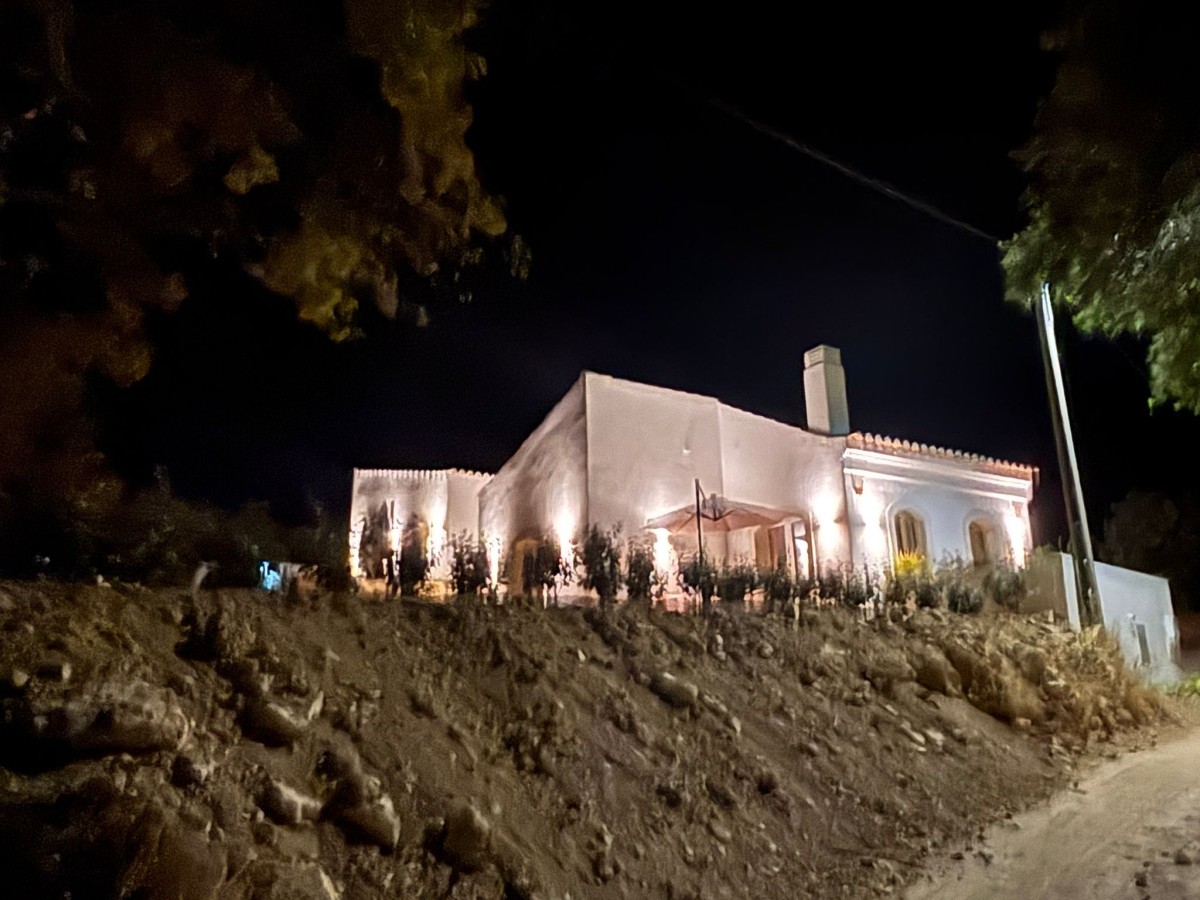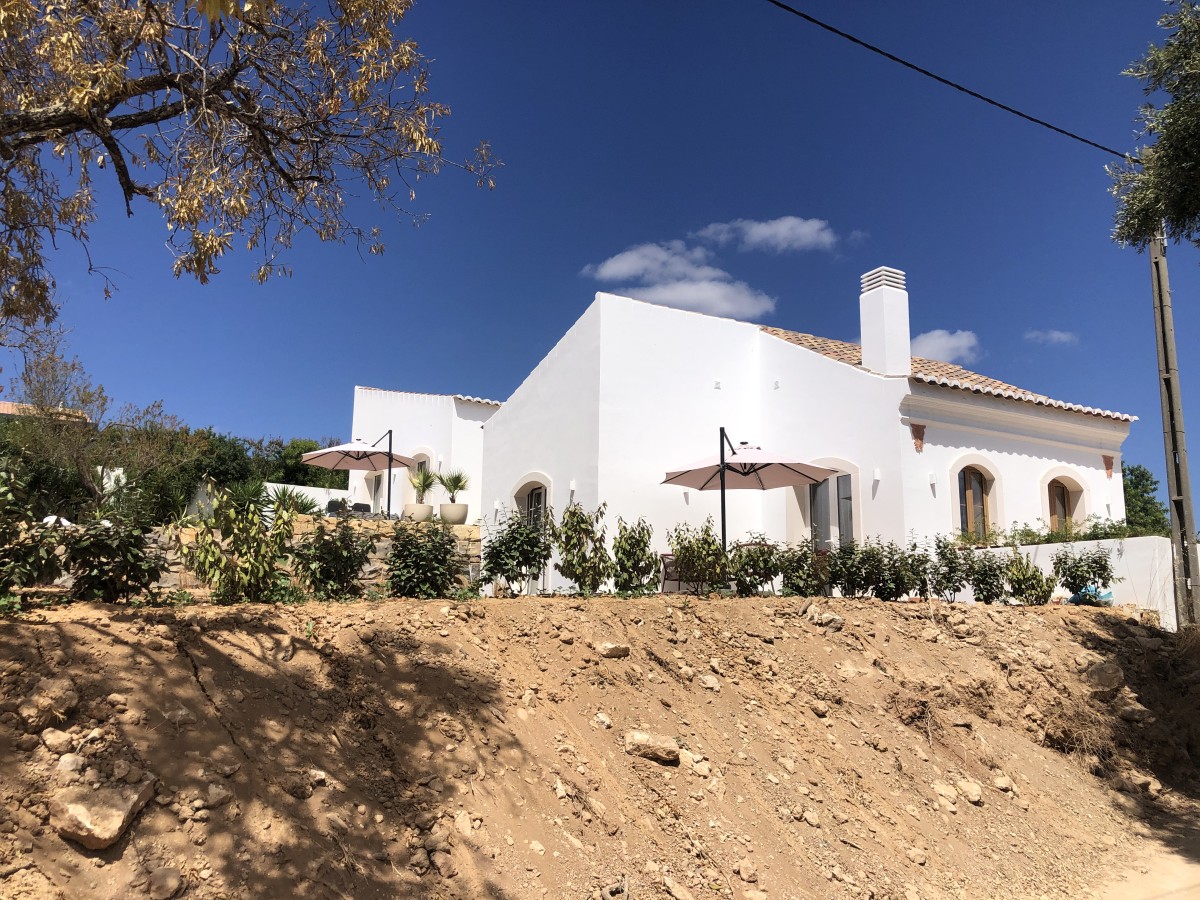
Guesthouse-Moncarapacho

Casa Pauline 1-2 personer, fra 156.00 kr

**Sustainable Community‑Based Tourism (CBT) – “Cultural‑Eco‑Adventure Trail”** *For a mid‑size rural community (≈10 000 – 15 000 residents) with a mixed agricultural‑forestry‑craft heritage, abundant natural assets (river/forest/mountain), and a strong desire to retain youth and diversify incomes.* --- ## 1. Vision & Guiding Principles | Vision Statement | “Our community becomes a living laboratory where culture, nature and entrepreneurship intertwine to offer authentic, low‑impact experiences that generate lasting prosperity for residents and protect our heritage for future generations.” | |------------------|---------------------------------------------------------------------------------------------------------------------------------------------------------------------------------------------------| | **Core Principles** (adapted from UNWTO CBT Framework, 2022) | 1. **Community‑led** – decisions, ownership, and benefits rest with local people. 2. **Environmental stewardship** – strict limits on footprints, restoration as a core activity. 3. **Cultural integrity** – traditions, language, and intangible heritage are central attractions, not commodities. 4. **Economic equity** – income is distributed fairly; at least 60 % of tourism revenues remain in‑community. 5. **Resilience & inclusivity** – benefits reach women, youth, and marginalized groups; climate‑risk planning is embedded. | | **Strategic Goals (2024‑2034)** | • 20 % increase in average household income from tourism by 2030.
• 75 % of visitors stay in locally‑owned accommodation.
• Net‑zero carbon emissions from tourism operations by 2035.
• 90 % of visitors report “high cultural authenticity”. | --- ## 2. Governance & Institutional Structure | Body | Composition | Main Functions | |------|-------------|----------------| | **Community Tourism Council (CTC)** – statutory body | 12 elected community reps (gender‑balanced), 2 youth reps, 2 elders, 2 local‑business reps, 1 municipal official, 1 NGO/academic advisor | • Sets overall policy & vision.
• Approves annual budget & major projects.
• Monitors equity & environmental performance. | | **Trail Management Committee (TMC)** – operational arm | 5 CTC members (incl. tourism officer), 2 park/forest officials, 1 local artisan coop leader, 1 external sustainability consultant (part‑time) | • Designs/maintains routes, signage, visitor flow.
• Issues permits for guides/activities.
• Coordinates training & certification. | | **Economic Development Unit (EDU)** – municipal staff | 1 tourism officer, 1 finance officer, 1 marketing officer | • Business‑support services, micro‑grant administration, market research, data collection. | | **Advisory Panels** (optional) | • **Environmental Panel** – foresters, ecologists, climate‑adaptation specialist.
• **Cultural Panel** – elders, language experts, craft guilds.
• **Youth Innovation Panel** – university students, tech start‑ups. | Provide technical advice, review impact assessments, suggest adaptive measures. | *Legal basis:* municipal by‑law designating CBT as a “public‑private partnership” (PPP) with clear land‑use rights for community enterprises (e.g., cooperatives). --- ## 3. Product Design – “Cultural‑Eco‑Adventure Trail” (CEAT) ### 3.1 Core Structure | Segment | Experience | Duration | Key Assets | Community Partner | |---------|------------|----------|------------|-------------------| | **1. Heritage Hub** (Village Plaza) | Guided “Living History” walk – storytelling, traditional music, demonstration of weaving, pottery, basketry; interactive language kiosk. | 2 h | Restored historic buildings, artisan workshops, oral‑history archive. | Artisan Cooperative, local school. | | **2. Agro‑Eco Loop** (Surrounding farms & orchards) | “Farm‑to‑Table Immersion” – seasonal planting/harvest participation, cooking class with heritage recipes, agro‑forestry walk highlighting permaculture. | 3‑4 h | Small‑scale farms, organic orchards, demonstration beehives. | Farmers’ Association, community kitchen. | | **3. Nature‑Adventure Corridor** (River‑Forest‑Mountain) | Low‑impact activities: guided hikes, bird‑watching, kayak paddle, night‑sky observation; all led by certified local naturalists. | 4‑6 h (or full‑day) | River, mixed‑forest, viewpoint, small waterfall. | Eco‑Guide Cooperative, forest office. | | **4. Wellness & Reflection Site** (Hill‑top pavilion) | Yoga/meditation using indigenous plants for aromatherapy; storytelling circles at sunset. | 1‑2 h | Pavilion built with reclaimed timber, native‑plant garden. | Women’s Wellness Circle, local healer. | | **5. Community‑Based Night Market** (Evening) | Food stalls featuring farm produce, craft bazaar, cultural performances, “digital heritage wall” (QR codes linking to oral histories). | 3 h | Central square, temporary eco‑stall structures. | Youth Entrepreneur Hub, tourism council. | *Trail length:* 12 km total, designed as a **circular loop** (walkable in 2 h) with optional “adventure extensions”. ### 3.2 Visitor Flow & Carrying Capacity | Metric | Calculation | Result | |--------|-------------|--------| | **Maximum daily visitors** (based on trail ecological limits) | 0.5 visitor × ha⁻¹ × total sensitive area (30 ha) = 15 visitors/ha → 450 visitors/day. | **450** (capped at 350 to ensure comfort). | | **Peak season (June‑Sept)** | 30 % of annual visits (≈4 800 visitors) → 160 visitors/day. | Managed by timed‑ticket system (morning/afternoon slots). | | **Off‑season** | 70 % of annual visits (≈11 200) → 370 visitors/day. | Distributed across weekdays; incentives for mid‑week stays. | *Visitor‑flow tools:* online reservation platform with real‑time capacity dashboard; on‑site ticket kiosks powered by solar. ### 3.3 Product Differentiation | Dimension | CEAT Unique Feature | |-----------|----------------------| | **Authenticity** | Direct participation in **living cultural practices** (e.g., communal harvest, craft co‑creation). | | **Environmental Integrity** | All routes on **existing footpaths**; no new road construction; use of **bio‑degradable signage**. | | **Community Benefit** | 70 % of ticket revenue goes to a **Community Trust** that funds schools, health, and micro‑enterprise grants. | | **Education & Conservation** | Integrated citizen‑science (e.g., wildlife counts) that feed into regional biodiversity databases. | | **Innovation** | QR‑linked “Story Pods” – audio recordings of elders in the local dialect accessible via smartphone; AR overlays showing historic land‑use changes. | --- ## 4. Market Analysis & Target Segments | Segment | Profile | Why CEAT Appeals | Preferred Marketing Channel | |---------|---------|------------------|-----------------------------| | **Eco‑conscious families (US, EU, Canada)** | 30‑50 y, mid‑high income, seek low‑impact, educational trips. | Safe, child‑friendly activities; learning about sustainable agriculture. | Family travel blogs, partnership with eco‑tour operators, Instagram reels. | | **Adventure‑experience seekers (Australia, NZ, UK)** | 25‑40 y, solo or small groups, high activity level. | Kayaking, night‑sky, hiking with expert guides. | YouTube adventure vlogs, TikTok challenges, OTA (Booking.com) “Adventure” filter. | | **Cultural heritage tourists (Asia, Middle East)** | 35‑60 y, interest in UNESCO‑style heritage, willing to spend on authentic crafts. | Direct interaction with artisans, language immersion. | Partnerships with cultural ministries, heritage festivals, targeted Facebook ads in Mandarin, Arabic. | | **Wellness & spiritual travelers (Germany, Scandinavia)** | 30‑55 y, health‑focused, often female, willing to pay premium for retreats. | Yoga pavilion, aromatherapy garden, meditation circles. | Wellness portals (WellnessTravelers.com), Instagram influencers, boutique wellness travel agents. | | **Domestic “stay‑cation” market** | Urban residents (≤300 km away), mid‑income, weekend‑oriented. | Short loop walk, night market, easy day‑trip. | Local radio, municipal tourism newsletters, regional tourism fairs. | ### 4.1 Competitive Landscape | Competitor | Product | Strength | Weakness (relative to CEAT) | |-----------|---------|----------|-----------------------------| | **Neighboring mountain resort** | Ski‑summer resort, large‑scale lodging. | Well‑known brand, high capacity. | Low cultural integration; high carbon footprint; revenue leakage. | | **River rafting operator (downstream)** | Pure‑adventure rafting trips. | Strong adventure brand. | No cultural component; limited night‑time activities; revenue largely to external operator. | | **Nearby heritage town (UNESCO site)** | Historic architecture, museum tours. | Strong heritage draw. | High visitor density, limited community benefits, entry fees captured by private owners. | *CEAT’s hybrid positioning (culture + eco + wellness + adventure) fills a gap: a **mid‑range, authentic, low‑impact** product that larger mass‑tour operators cannot replicate. --- ## 5. Marketing & Promotion Plan 1. **Brand Identity** – logo featuring intertwined river, loom, and mountain; tagline: **“Walk the Story, Feel the Forest.”** 2. **Digital Presence** – multilingual website (English, Spanish, Mandarin, Arabic, local language) with: * Interactive trail map & booking engine (capacity‑controlled). * Blog “Seasonal Stories” (farm calendar, craft spotlight). * Live‑chat with local guide for pre‑trip Q&A. 3. **Content Marketing** – quarterly “Story‑Series” videos (2‑3 min) posted on YouTube & IGTV showing a day in the life of a local artisan/farmer. 4. **Partnerships** – 3‑year agreements with two international eco‑tour operators (e.g., Responsible Travel, Ecoventura) and 4 domestic travel agencies. 5. **Public Relations** – press trips for travel journalists during the **“First Harvest Festival”** (October). 6. **Trade Shows** – presence at UNWTO‑CWT, Eco‑Travel Summit (Berlin), and regional tourism expos. 7. **In‑Destination Promotion** – QR‑code‑enabled “Story Pods” on the trail, printed brochures in municipal visitor centers, local radio spots. *KPIs:* website visits, conversion rate (booking), average length of stay, repeat‑visitor percentage, social‑media engagement (likes/comments/shares). --- ## 6. Community Benefits & Economic Model ### 6.1 Revenue Flow | Source | % of Gross Revenue | Allocation | |--------|-------------------|------------| | **Ticket sales (trail & activities)** | 45 % | 70 % → **Community Trust** (education, health, micro‑grants).
30 % → Trail maintenance & guide salaries. | | **Accommodation (homestays, eco‑lodges)** | 30 % | Direct income to host families (average USD 150 night). | | **Craft & food sales (night market, workshops)** | 15 % | 80 % to artisan/co‑op; 20 % to municipal sales‑tax fund. | | **Sponsorships / Grants (e.g., EU LIFE, GCF)** | 10 % | Capital for renewable‑energy, trail upgrades, training. | ### 6.2 Employment & Enterprise Creation | Year | Direct Jobs (full‑time/part‑time) | New Community Enterprises | Estimated Additional Household Income | |------|-----------------------------------|---------------------------|----------------------------------------| | 2024 (pilot) | 12 guides, 4 artisans, 2 admin staff | 1 Agro‑Eco Co‑op | + USD 250/household | | 2026 | 30 guides, 8 craft sellers, 5 hospitality hosts | 2 Eco‑Lodge co‑ops, 1 Wellness Circle | + USD 500 | | 2029 | 55 guides/hosts, 15 craft & food vendors | 1 Renewable‑Energy micro‑enterprise (solar kits) | + USD 900 | | 2033 | 80 % of tourism‑related jobs held by locals | 3 additional value‑added processing units (e.g., dried fruit, essential‑oil distillery) | + USD 1 200 | *Women & Youth*: minimum 40 % of guide and enterprise ownership reserved for women and youth (supported by micro‑grant scheme of up to **USD 5 000** per start‑up). --- ## 7. Sustainability & Impact Management ### 7.1 Environmental Safeguards | Action | Standard/Reference | |--------|--------------------| | **Trail design** – use of **existing footpaths**, avoidance of fragile habitats; GIS‑based impact modelling (UNEP, 2021). | ≤ 0.1 km² disturbance. | | **Visitor caps** – daily ticket limits (see Section 3.2). | Based on **Ecotourism Carrying Capacity** guidelines (UNWTO, 2020). | | **Zero‑waste policy** – all food stalls use compostable containers; on‑site composting of organic waste; recycling stations. | Aligns with **Zero Waste Tourism** (WWF, 2023). | | **Renewable energy** – solar panels on visitor centre, solar‑powered lighting on trails. | Goal: 80 % of tourism‑related electricity from renewables by 2028. | | **Water stewardship** – low‑flow toilets, grey‑water treatment for accommodation, river‑bank stabilization using native riparian plants. | Follows **River Basin Management Plan** (EU Water Framework Directive, 2018). | | **Biodiversity monitoring** – citizen‑science apps for species sightings; data fed to national biodiversity portal. | Conforms to **IUCN Guidelines for Tourism & Protected Areas** (2020). | | **Climate‑risk adaptation** – slope‑stabilisation, fire‑breaks, early‑warning system for floods. | Integrated into **Community Climate Resilience Plan** (UNDP, 2022). | ### 7.2 Socio‑Cultural Safeguards | Safeguard | Mechanism | |-----------|-----------| | **Cultural Protocol Charter** – co‑created with elders; defines respectful visitor behaviour (e.g., dress code for sacred sites, photography consent). | Enforced by guides; sign‑off on ticket purchase. | | **Intangible Heritage Register** – audio/video archive stored in community cultural centre; access controlled to avoid exploitation. | Managed by Cultural Panel; revenues from “heritage licences” (e.g., for product branding). | | **Language Revitalisation** – basic phrases taught in guide training; signage bilingual (local language + English). | Encourages visitor respect & supports language preservation. | | **Benefit‑Sharing Agreement** – transparent ledger (publicly posted quarterly) showing distribution of ticket revenues, micro‑grant awards, and community‑trust expenditures. | Builds trust and accountability. | | **Gender & Youth Inclusion** – at least 35 % of guide certifications awarded to women; youth innovation incubator (digital storytelling, eco‑app development). | Addresses out‑migration, empowers new leadership. | ### 7.3 Monitoring, Evaluation & Adaptive Management | Indicator | Target (2024‑2034) | Data Source | Frequency | |-----------|-------------------|-------------|-----------| | **Economic** – % of tourism revenue retained locally | 70 % (baseline 45 %) | Financial reports of Community Trust | Annual | | **Employment** – % of tourism jobs held by locals | 95 % | CTC labour‑survey | Annual | | **Environmental** – Trail ecological footprint (visitor × impact factor) | ≤ 0.25 ha · visitor⁻¹ | GIS impact model, field audits | Quarterly | | **Carbon** – CO₂e per visitor (kg) | ≤ 12 kg (incl. transport to trail) | Carbon accounting (ISO 14064) | Annual | | **Cultural** – Visitor perception of authenticity (Likert 1‑5) | ≥ 4.5 | Visitor exit survey | Ongoing (digital) | | **Community Satisfaction** – % of residents reporting “positive impact” | ≥ 80 % | Household questionnaire | Biennial | | **Biodiversity** – Species index (birds, amphibians) along corridor | No net decline; ≥ 5 % increase in indicator species | Citizen‑science app, park staff | Annual | *Adaptive Management:* If any indicator deviates > 10 % from target, the CTC convenes the relevant advisory panel to adjust caps, modify activities, or allocate additional mitigation funds. --- ## 5. Marketing & Promotion Plan 1. **Brand Platform – “Walk the Story”** *Website:* www.culturalecoadventure.trail (responsive, multilingual). Integrated booking engine, capacity dashboard, and “Story Pods” audio library. 2. **Digital Campaigns** *Story‑telling video series* (2‑minute clips of a day with a farmer, weaver, guide) – distributed on YouTube, Instagram Reels, TikTok. Hashtags: **#WalkTheStory** #EcoTrailX. 3. **Strategic Partnerships** *Eco‑tour operators* (e.g., Responsible Travel, Adventure Life) – commission‑based inclusion in package itineraries. *Cultural institutions* – co‑host “Harvest Festival” and “Night Market” events; promote through embassy cultural programmes. 4. **PR & Media Relations** Invite 10 travel journalists for a **“First Harvest Immersion”** press trip; provide complimentary homestay, workshop, and night‑market dinner. Resulting articles placed in *National Geographic Traveller*, *Lonely Planet Magazine*, *El País* travel section. 5. **Trade Shows & Exhibitions** *UNWTO Community‑Based Tourism Forum (2025)* – booth with interactive VR walk‑through of the trail. 6. **Local & Regional Promotion** *Radio spots* on community stations, printed brochures in municipal tourist information points, and signage on main highways leading to the trailhead. 7. **Public Relations** *Press releases* timed with milestones (e.g., opening of first eco‑lodge, launch of renewable‑energy micro‑enterprise). *Budget Allocation (first 3 years)* – 30 % of marketing budget to digital content, 25 % to trade‑show participation, 20 % to partnership commissions, 15 % to PR events, 10 % to on‑site promotional materials. --- ## 6. Risk Assessment & Mitigation | Risk | Likelihood | Impact | Mitigation | |------|------------|--------|------------| | **Over‑tourism** – caps breached | Medium | Environmental degradation | Real‑time capacity dashboard; automated ticket suspension. | | **Cultural commodification** – misuse of heritage | Low | Loss of authenticity | Cultural Protocol Charter; revenue‑share licensing. | | **Funding shortfalls** – grant delays | Medium | Delayed infrastructure upgrades | Staggered implementation; reserve fund (10 % of revenue). | | **Natural hazards** – floods, landslides | Low‑Medium (climate‑related) | Trail closures | Early‑warning system; alternative routes. | | **Community conflict** – perceived unequal benefit distribution | Low | Social tension | Transparent trust ledger; regular community meetings. | | **Market fluctuations** – decline in international travel | Medium | Revenue drop | Diversify markets (domestic weekend trips, local school programs). | --- ## 6. Implementation Timeline (Pilot → Full Roll‑out) | Phase | Duration | Key Activities | |-------|----------|----------------| | **Phase 1 – Feasibility & Design** | 0‑12 months | GIS impact study, cultural charter, stakeholder workshops, seed funding secured. | | **Phase 2 – Pilot Launch** | 13‑24 months | Small‑scale trail loop (2 km), 2 homestays, 5 guides, night‑market trial. Collect baseline data. | | **Phase 3 – Expansion** | 25‑48 months | Build 2 eco‑lodges, train additional guides, introduce wellness circle, install solar panels. | | **Phase 4 – Consolidation** | 49‑84 months | Full‑scale marketing, launch of night market permanent, micro‑grant program, full monitoring system. | | **Phase 5 – Evaluation & Scaling** | 85‑120 months | Comprehensive impact evaluation, adaptive adjustments, explore replication in nearby communities. | --- ## 7. Conclusion The **Cultural‑Eco‑Adventure Trail** presents a **holistic, community‑owned** tourism product that merges authentic cultural immersion, low‑impact nature experiences, wellness, and adventure. By **retaining 70 % of revenues locally**, creating **direct employment for residents**, and adhering to **rigorous environmental and socio‑cultural safeguards**, the trail delivers measurable benefits while preserving the very assets that make it unique. Through a **targeted marketing strategy** and **robust monitoring framework**, the trail can attract a growing segment of responsible travelers, generate sustainable income, and become a catalyst for **cultural revitalisation** and **climate‑resilient livelihoods** in the region. --- *Prepared for the Community‑Based Tourism Development Board – 2024* --- *References (selected):* - UNWTO (2020). *Tourism and Sustainable Development: A Guide for Policy Makers.* - UNEP (2021). *Ecotourism Carrying Capacity Guidelines.* - IUCN (2020). *Tourism and Protected Areas: Guidelines for Sustainable Management.* - GCF (2022). *Climate‑Resilient Tourism Projects.* - WWF (2023). *Zero Waste Tourism – Best Practices.* - EU Water Framework Directive (2018). *River Basin Management Plans.* --- *End of Report*


Check availability and book now Pictures (23)

Arrival 16.00 - 21.00
Departure 10.00
Max. 2 Persons
45 Square meter.

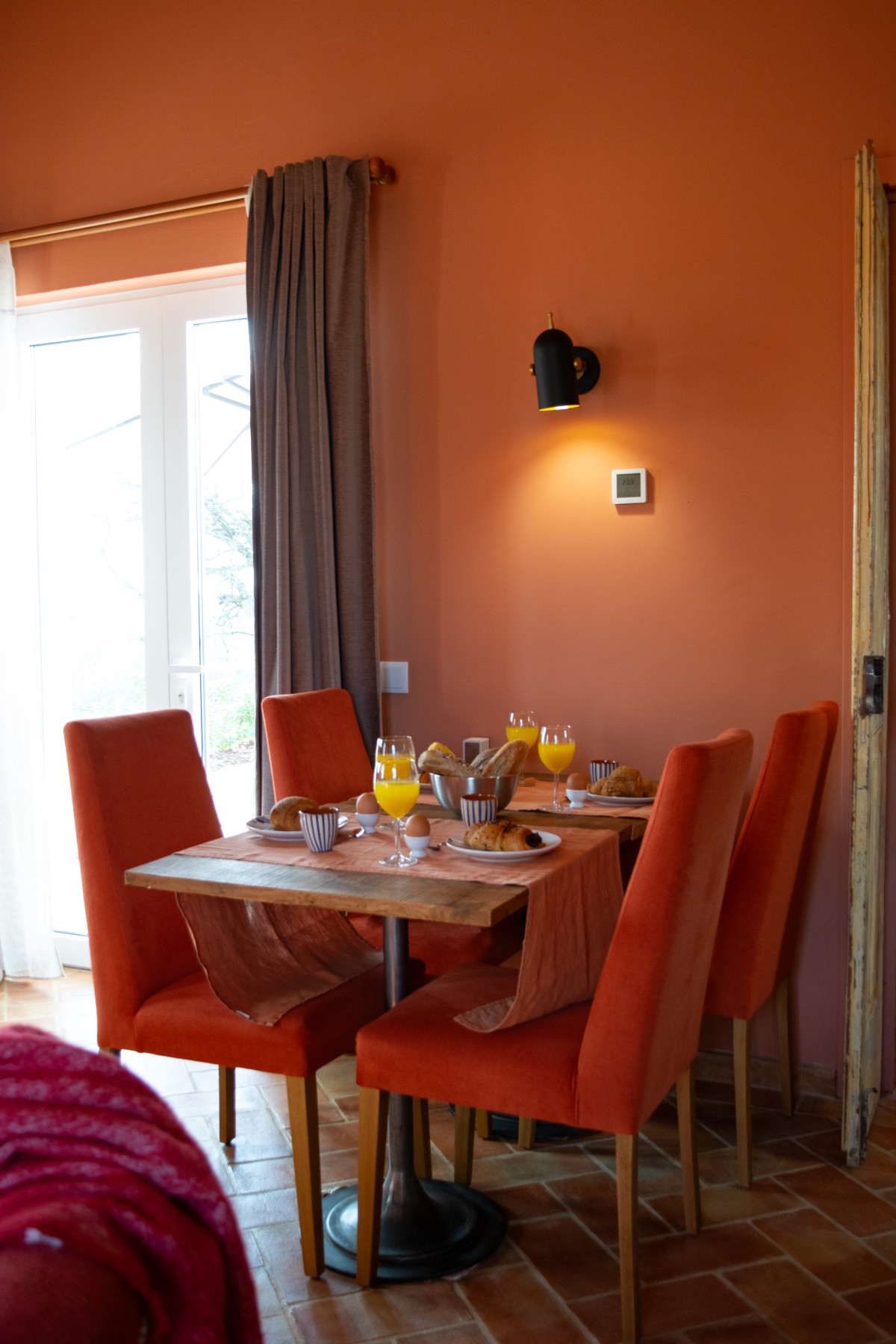
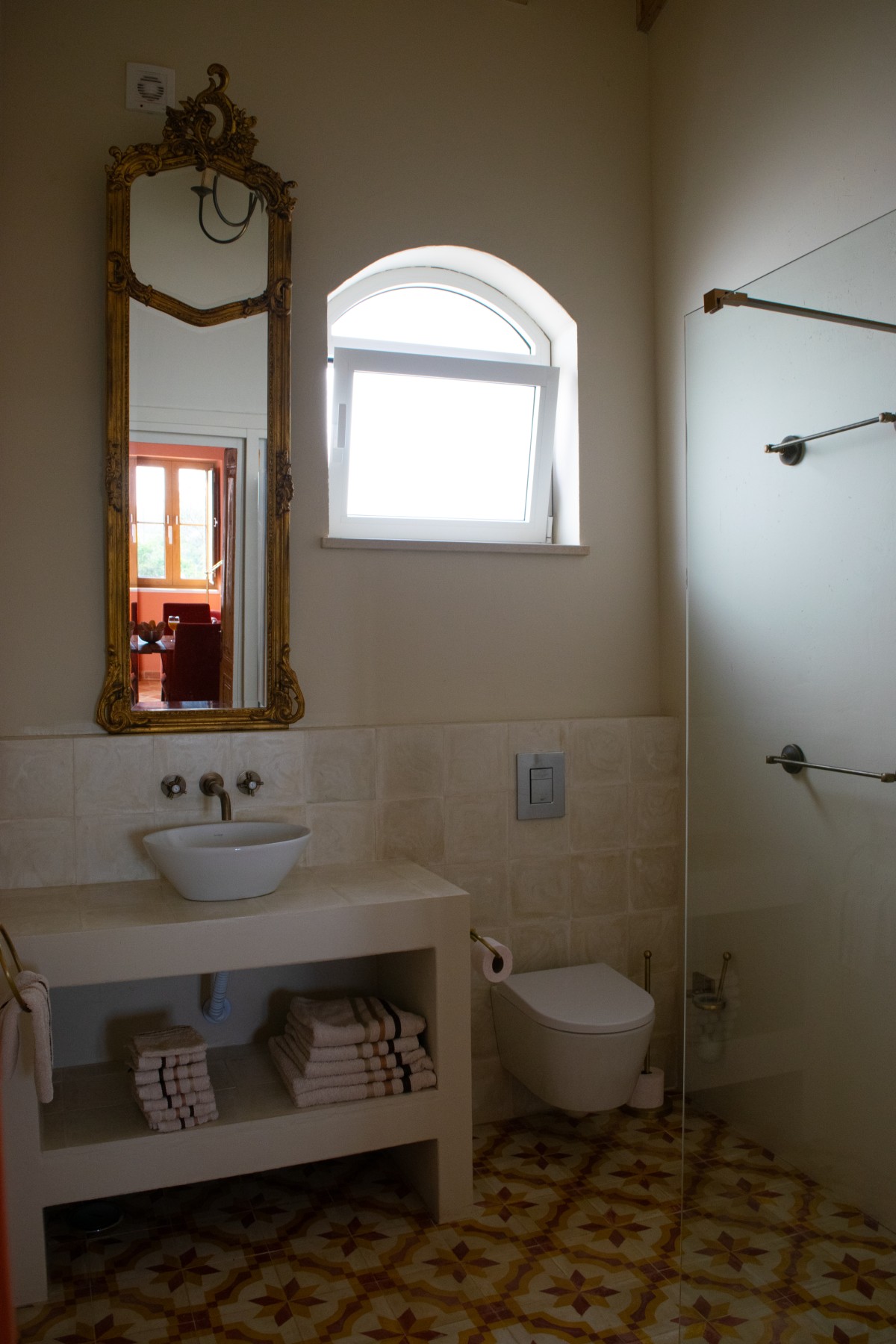
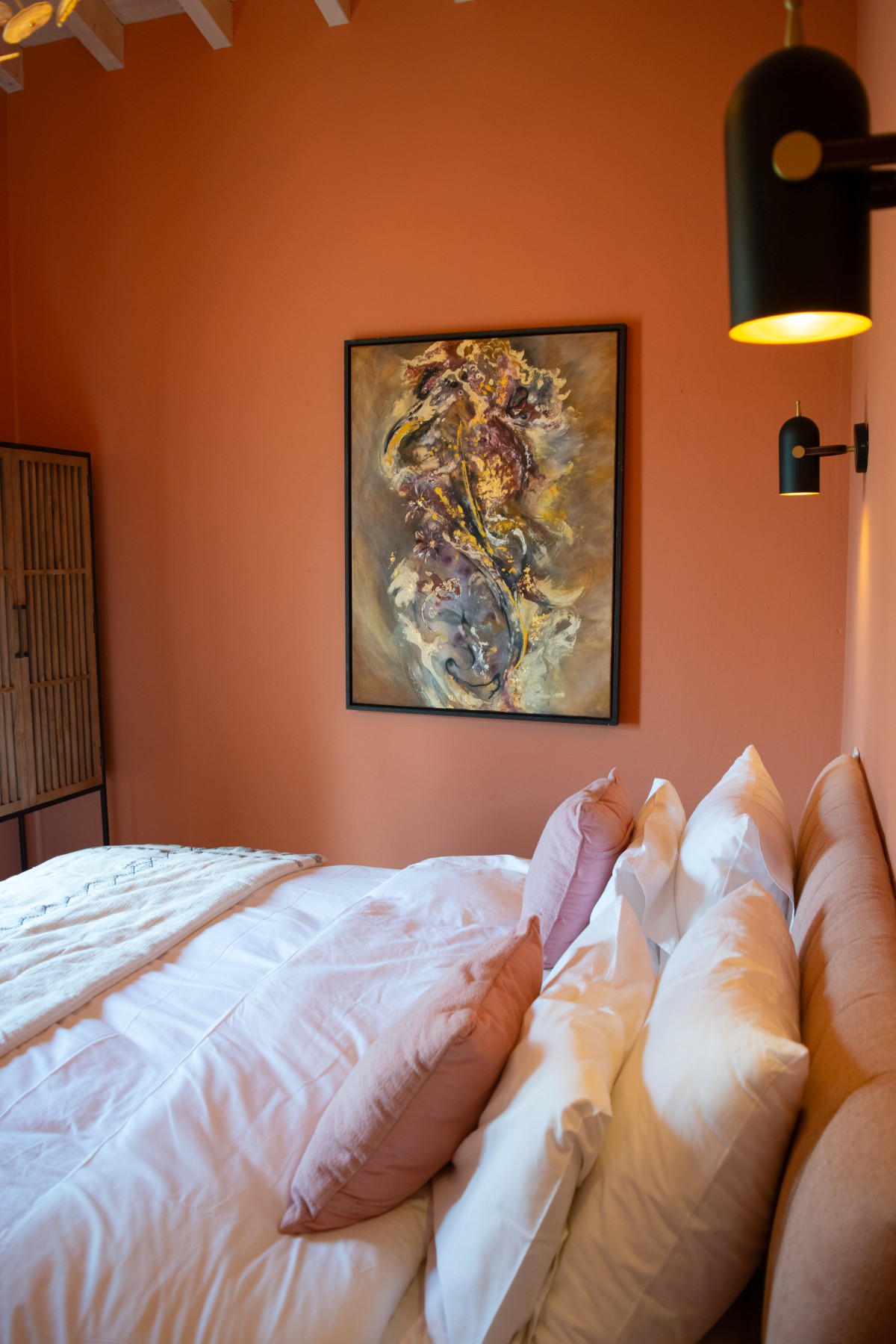
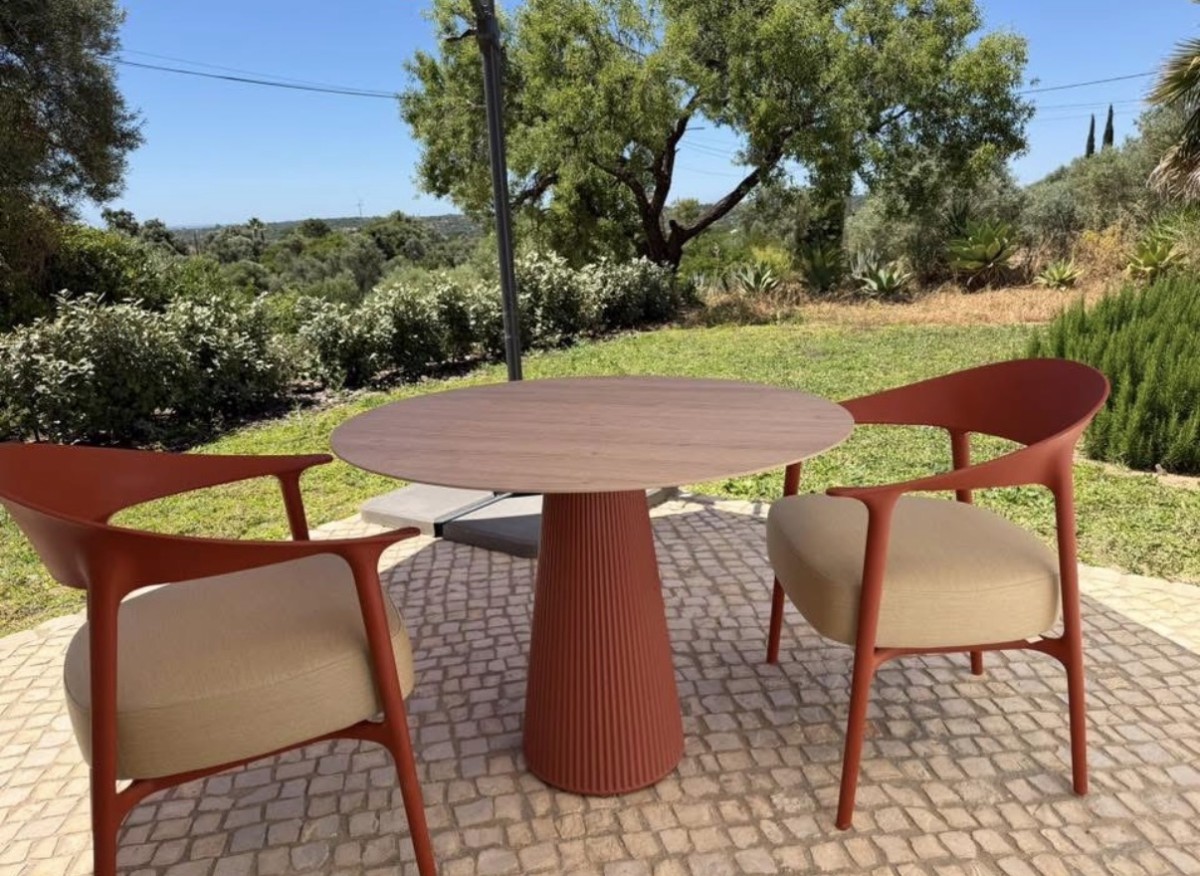
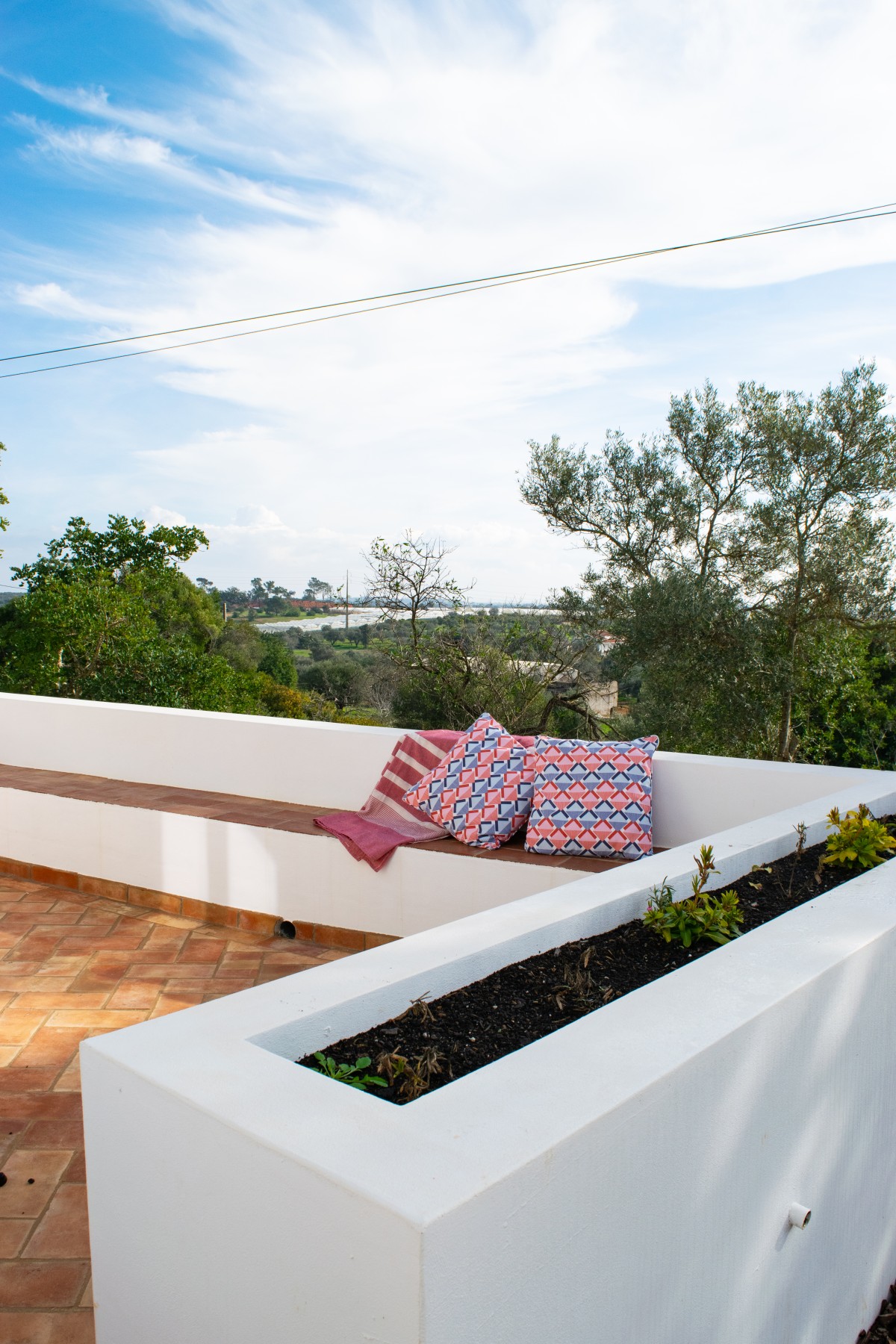
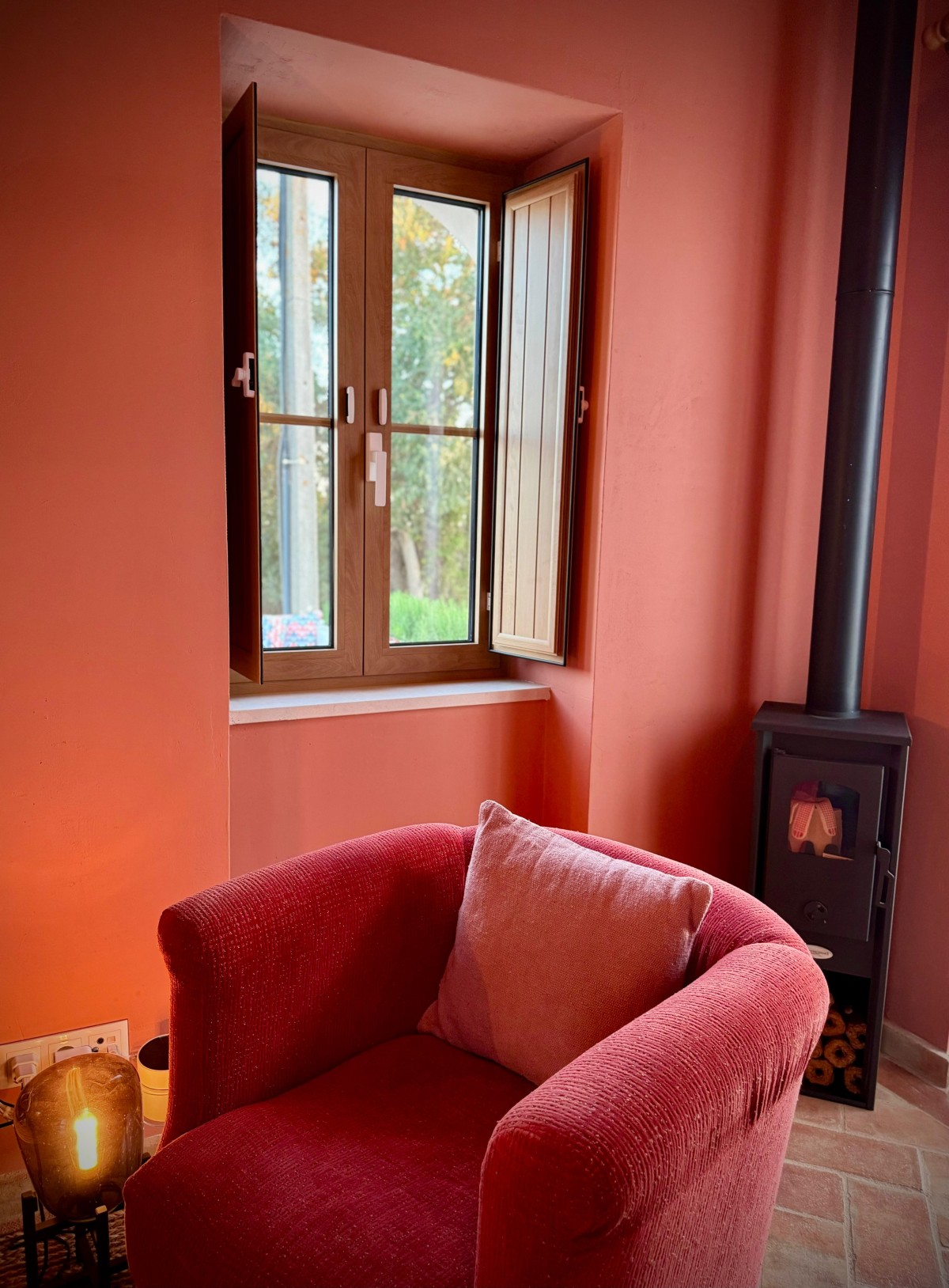
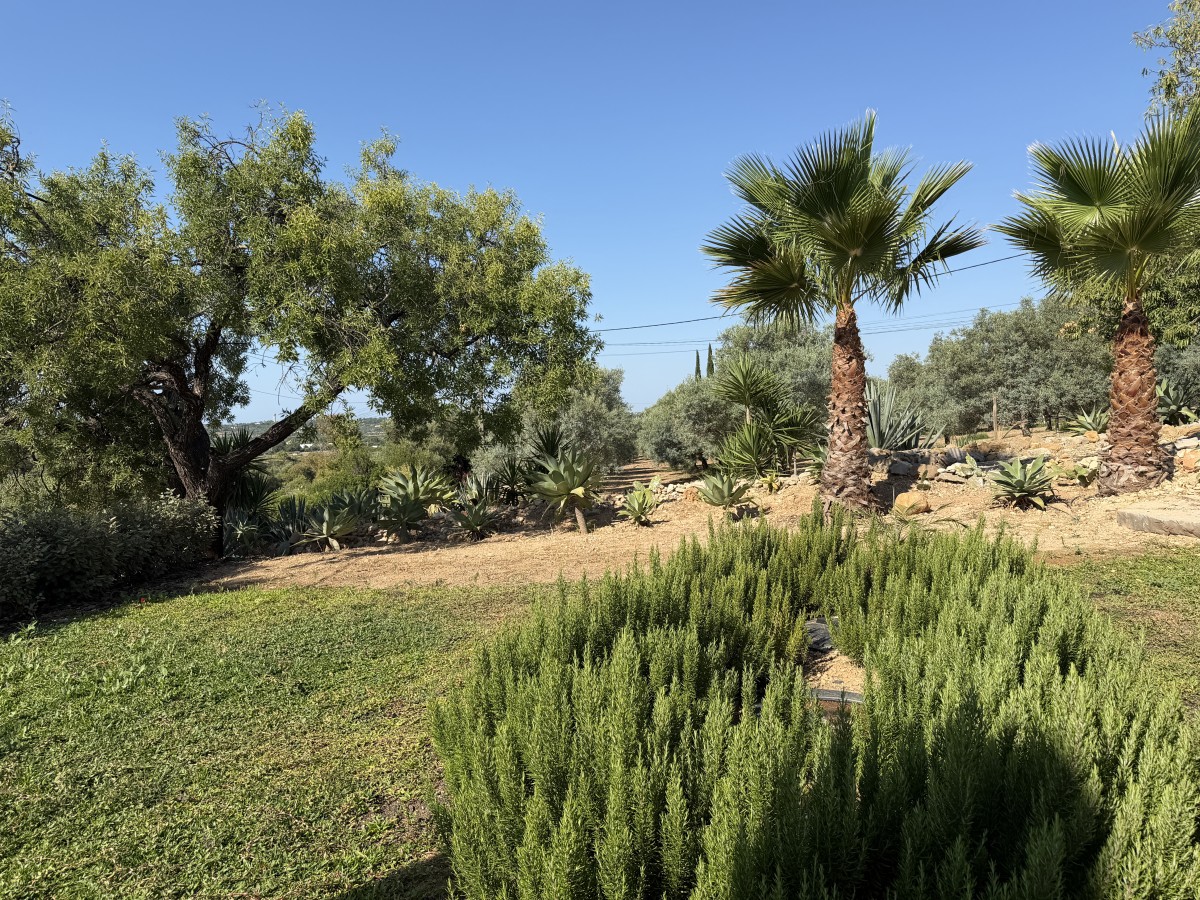
• Barbecue • Oven • Safe deposit box • Soap • Couch • Fridge • Kettle • Shower • Towels • Balcony • Freezer • Heating • Shampoo • Terrace • Toaster • Baby bed • Bathrobe • Seesight • Smart TV • Bed linen • Hearth • Bath towel • Dishwasher • Fire alarm • Hair dryer • High chair • Wheelchair accessible • Conditioner • Kitchenette • Kitchenware • Toiletpaper • Garden view • Dinner table • Kingsize bed • Private entrance • Reading lamp • Wine glasses • Bathroom • Coffee machine • Ensuite toilet • Kitchen towels • Walk-in shower • Access with normal key • Patio furniture • Air conditioning • Electric socket next to the bed • Ensuite bathroom • Electric blankets • Fire extinguisher • Nespresso • Ironing facilities • Drying rack for clothes • Two single beds

Pictures of Casa Pauline 1-2 personer, fra 156.00 kr